Book

Aiki-jujutsu

after Ueshiba

The Legacy of Mochizuki Minoru Sensei in the Daito Ryu Aiki-jujutsu Seifukai

This book by Roberto Granati, a historian specializing in Japan, with illustrations by Francesco Dessì, an Aikido master, describes the historical development of Aiki-jujutsu from its beginnings to the current school, the Seifukai. Daito Ryu Aiki-jujutsu has become more widely known in recent decades, not least because it forms the technical basis of Morihei Ueshiba's Aikido. A separate chapter is dedicated to him, and it is very interesting to read how his work is viewed from the perspective of Aiki-jujutsu.
Another important teacher in Aiki-jujutsu was Minoru Mochizuki (1907-2003), a student of Jigoro Kano (Judo) and of Morihei Ueshiba. He was the first "Aikidoka" to come to Europe. He taught in France. Out of loyalty to Ueshiba, he even called his art "Aikido" for a time.
In the following chapters, the book describes basic exercises, fundamental techniques, kata, and techniques up to the first dan in Daito Ryu Aiki-jujutsu Seifukai. All Japanese terms are also given in kanji. The book contains numerous drawings and a number of historical photographs.
Interestingly, some exercises are described that one might have assumed to be original Tohei exercises. There are also some techniques that Yoshigasaki-sensei reintroduced into Aikido when he revised the examination syllabus and the tsuzukiwaza.
The book contains a wealth of detail, presented in a highly systematic manner. The book's central message is that Aiki-jujutsu cultivates an ancient art of war that must be preserved. It sings the praises of the warrior and his fighting skills.
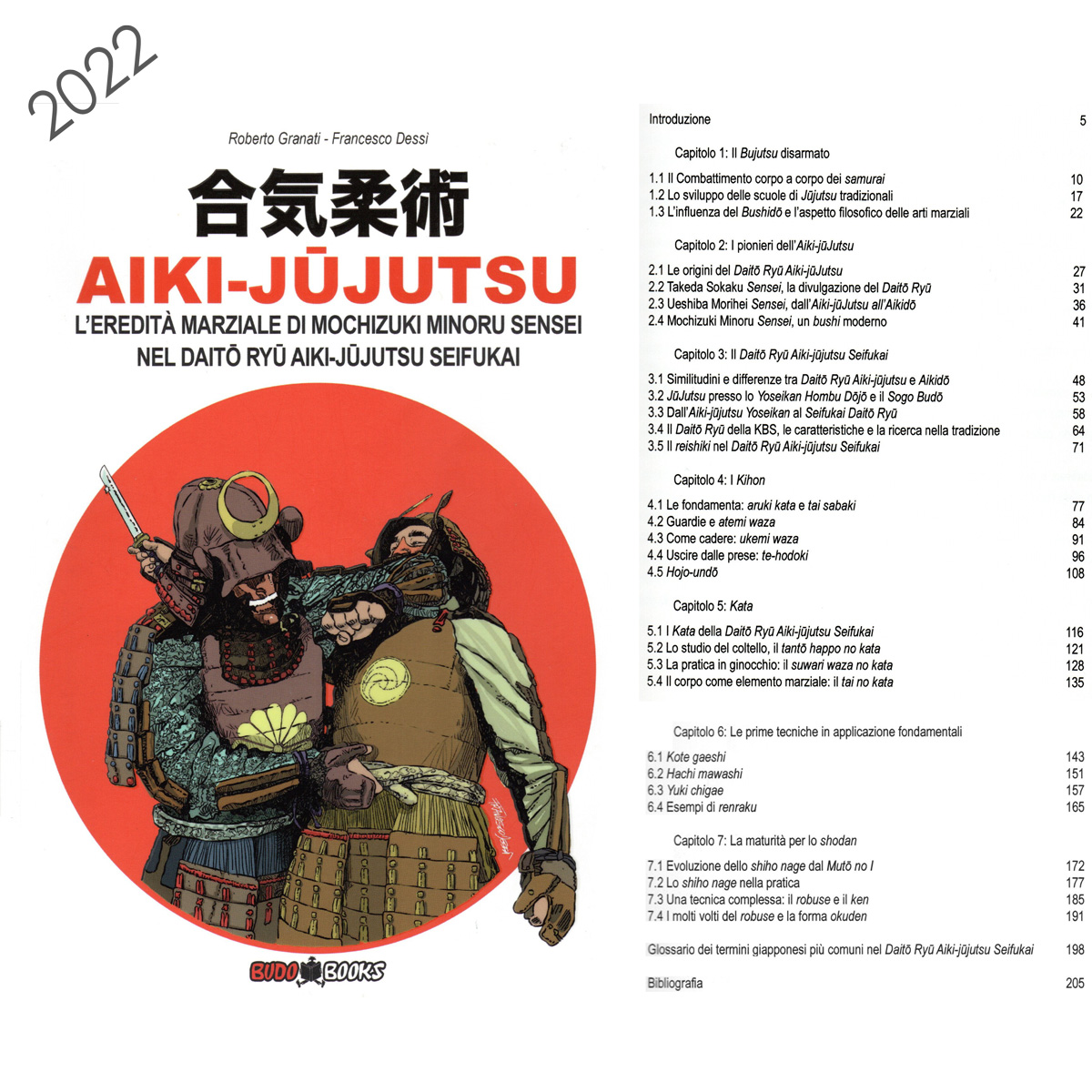
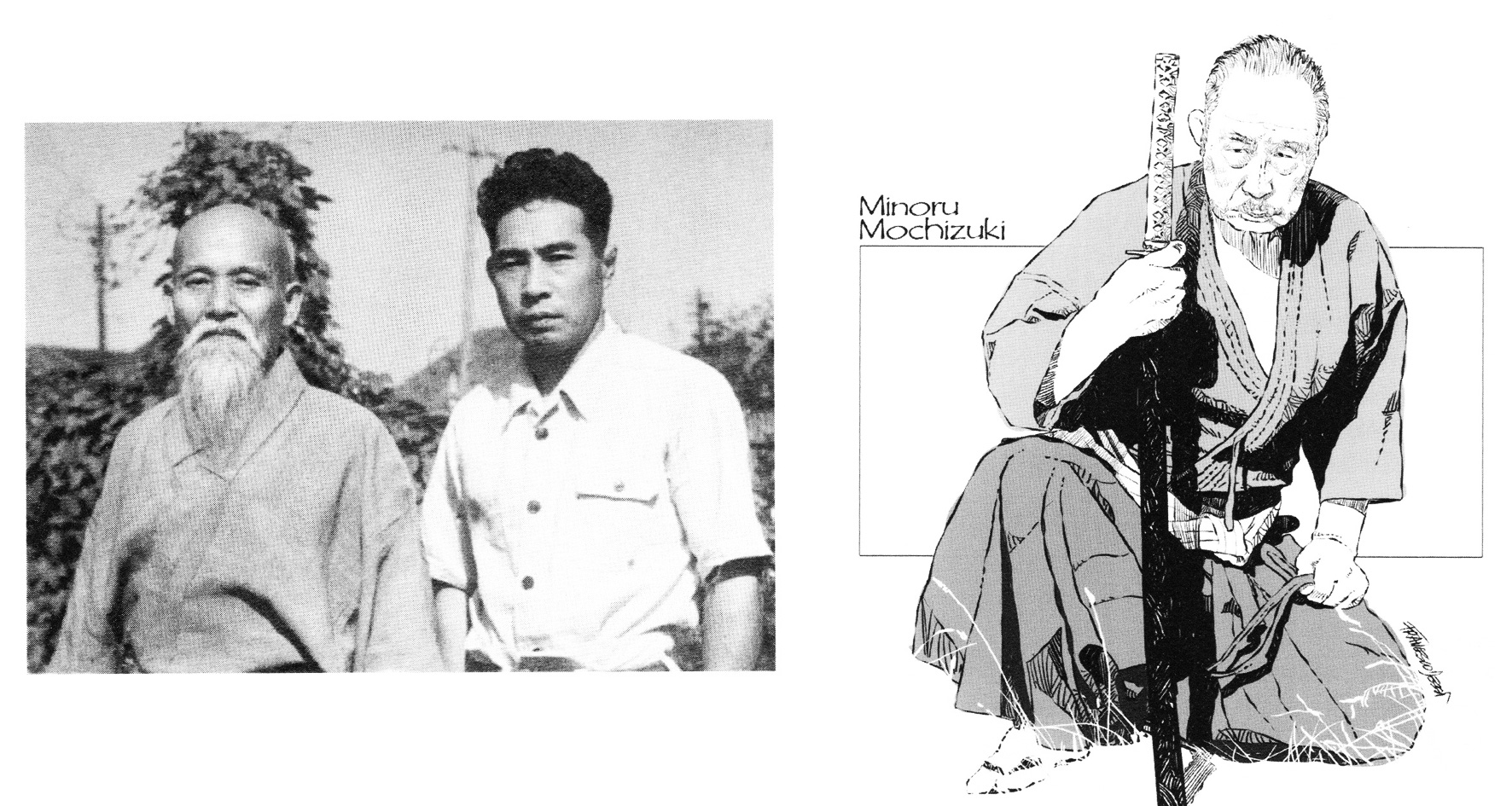
Table of Contents

Chapter 1: Unarmed Bujutsu
Samurai Close Combat -- The Development of Traditional Jujutsu Schools -- The Influence of Bushido and the Philosophical Aspect of Martial Arts
Chapter 2: The Pioneers of Aiki-jujutsu
The Origins of Daito-ryu Aiki-jujutsu -- Takeda Sokaku Sensei, the Popularization of Daito-ryu -- Ueshiba Morihei Sensei, From Aiki-jujutsu to Aikido -- Mochizuki Minoru Sensei, a Modern Bushi
Chapter 3: Daito-ryu Aiki-jujutsu Seifukai
Similarities and Differences Between Daito-ryu Aiki-jujutsu and Aikido -- Jujutsu in Yoseikan Hombu Dojo and Sogo Budo -- From Yoseikan Aiki-jujutsu to Seifukai Daito-ryu -- The KBS Daito-ryu: Characteristics and Research in the Tradition -- Reishiki in Daito Ryu Aiki-Jujutsu Seifukai
Chapter 4: The Kihon
The Fundamentals: Aruki Kata and Tai Sabaki -- Basic Stances and Atemi Waza -- How to Fall: Ukemi Waza -- Breaking Free from Holds: Te-Hodoki -- Hojo-Undo
Chapter 5: Kata
The Kata of Daito Ryu Aiki-Jujutsu Seifukai -- Studying the Knife: Tanto Happo no Kata -- Techniques from a Seated Position: Suwari Waza no Kata -- The Body as a Combat Element: Tai no Kata

Minoru Mochizuki

Already as a child, he was an enthusiastic martial artist. He learned several very tough jujutsu styles and then found his way to the Kodokan of Jigoro Kano. Kano sent him to Ueshiba to learn Aiki-jujutsu. In 1932, he received two certificates (2 meters and 3 meters long, respectively) from Ueshiba, confirming his mastery of Aiki-jujutsu.
In 1951, he traveled to France and became very well-known there. He taught Aiki-jujutsu, Judo, and Kenjutsu. Later, he returned to Japan. His son, Hiroo (born 1936), continues the Yoseikan Budo tradition founded by Minoru Mochizuki teaching primarily in France.

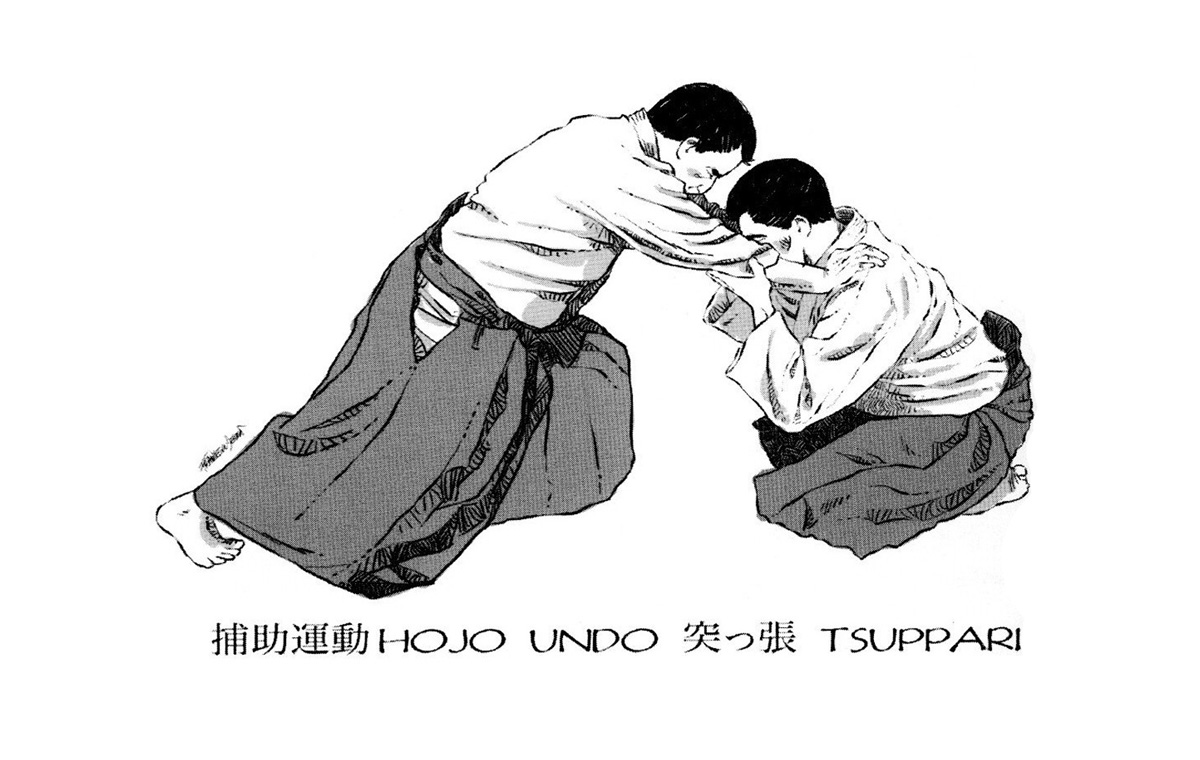
HOJO UNDO - TSUPPARI

Hojo undo (捕助運動) are physical stability exercises in Aiki-jujutsu. Mochizuki Sensei reportedly placed great emphasis on them. The basic form is the so-called Tsuppari (突っ張). Uke aims to push Nage away with his hands. Nage is meant to develop his stability. There are exercises in standing and in sitting. Uke can place his hands on Nage and push, or approach Nage and then push. In the latter case, Nage should practice zen no zen. The book justifies the exercise by stating that samurai had to use their strength economically in combat. Stability results from correct posture/form.
These exercises are evidently precursors to the corresponding Ki tests of Tohei Sensei.

Ki Test in Agura

Yoshigasaki demonstrates here that the shape of the arms is important in this ki test. Uke places his hands on Nage's shoulders from above and pushes towards a target about 2 to 3 meters behind Nage on the ground. Nage places her hands on Uke's arms from below.
The ikkyo form does not provide a stable posture. Nage must place her hands under Uke's arms touching them with her palms. Yoshigasaki Sensei calls this arm form the gokyo form.

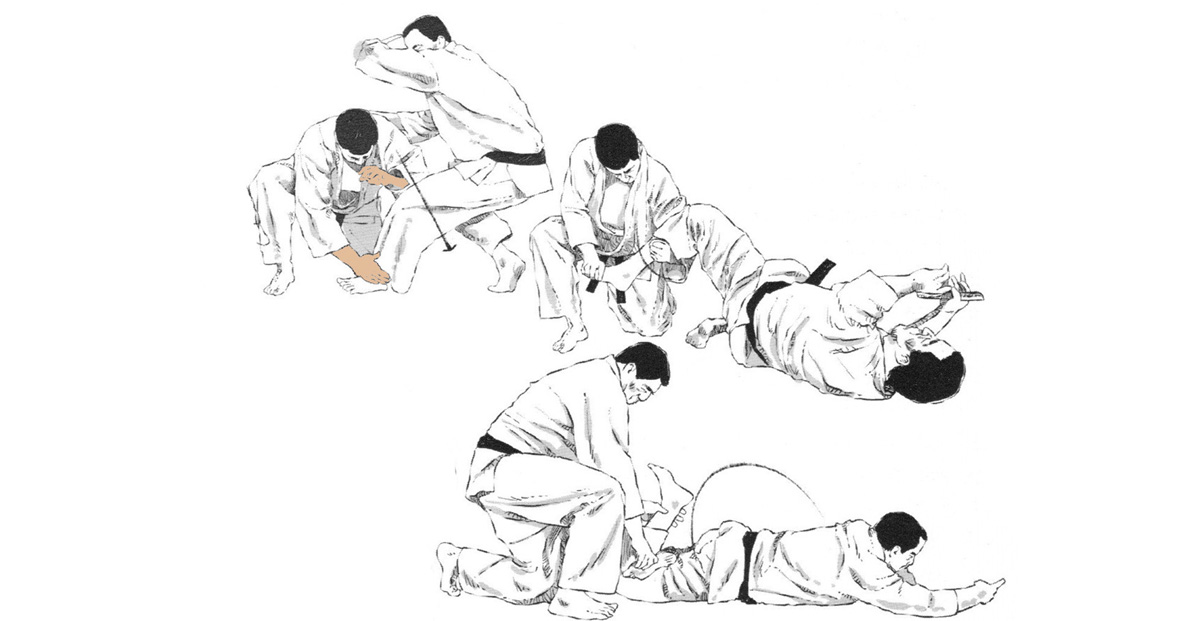
ASHI GATAME

Aiki-jujutsu:
In this example, Uke attacks with a knife. Nage dives down and controls Uke's leg from the knee down. He brings him to the ground, locks the lower leg, and turns Uke onto his stomach.
Then he crosses Uke's legs so that he is completely immobilized (ashi gatame, 脚固, not shown here).

Mawashi geri - ashidori

In developing the Tsuzukiwaza in the early 2000s, Yoshigasaki Sensei introduced several techniques that previously were not found in Tohei Sensei's Taigi.
The seventh technique in Tsuzukiwaza 16 is a side kick attack (mawashi geri, 回し蹴). Nage evades and protects himself by placing the edge of his hand against Uke's knee, pinning Uke's foot from above with his other hand. He then bends Uke's leg anatomically correctly, causing him to fall. Unlike in Aiki-jujutsu, the leg subsequently is not locked. Therefore, the technique cannot be called ashi gatame.
It is referred to as ashidori (足取り, grasping the foot/leg).

Koichi Tohei Sensei

In these old film recordings from the 1960s, Tohei Sensei demonstrates techniques against ushiro ryokatadori. In the short excerpt, we see zenponage from seiza, three attempts of ashidori, and a beautiful zenponage initiated by a grip on the neck.
This ashidori form and the last technique were later no longer included in the standard techniques of Ki no Kenkyukai.